8 Aug 2026
Tracing Transaction Pathways and Loyalty Structures in Southeast Asian Mobile Wagering Ecosystems
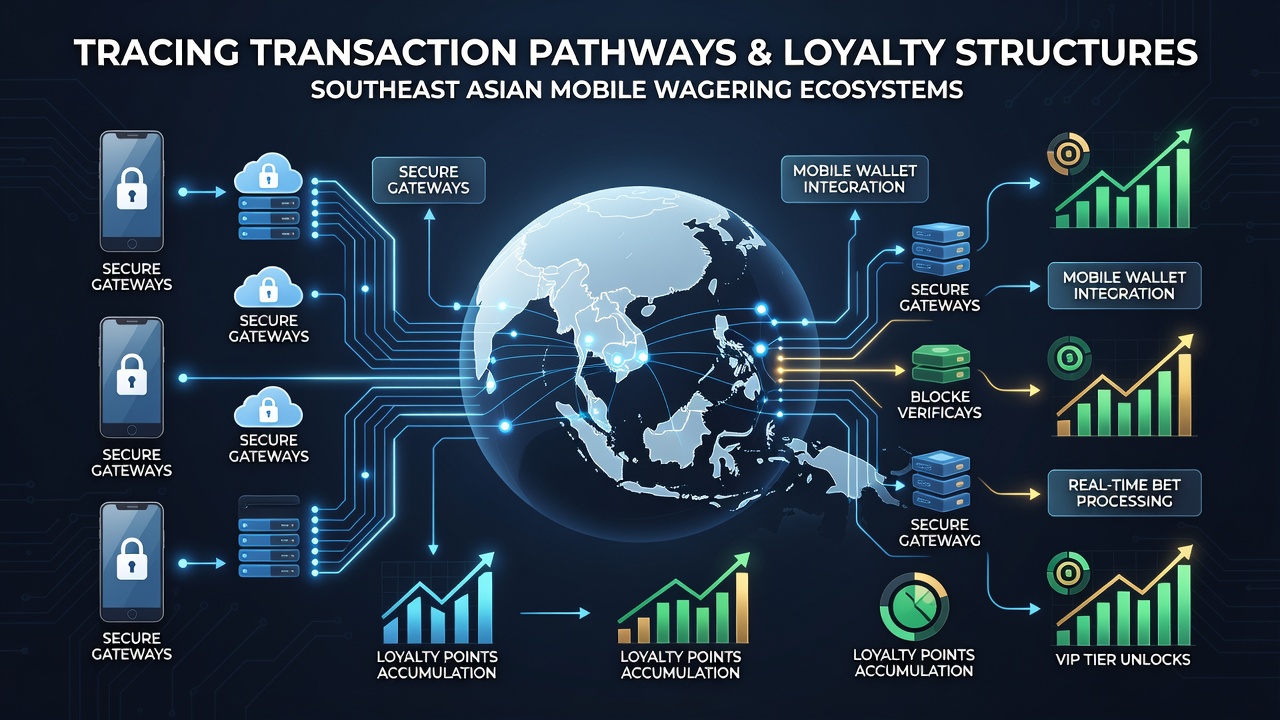
Transaction pathways in Southeast Asian mobile wagering ecosystems connect digital payment systems with user accounts through layered processes that handle deposits, withdrawals, and reward accumulations, and observers note how these routes often intersect with loyalty structures that assign points based on activity levels across markets in Indonesia, Thailand, Vietnam, the Philippines, and Singapore.
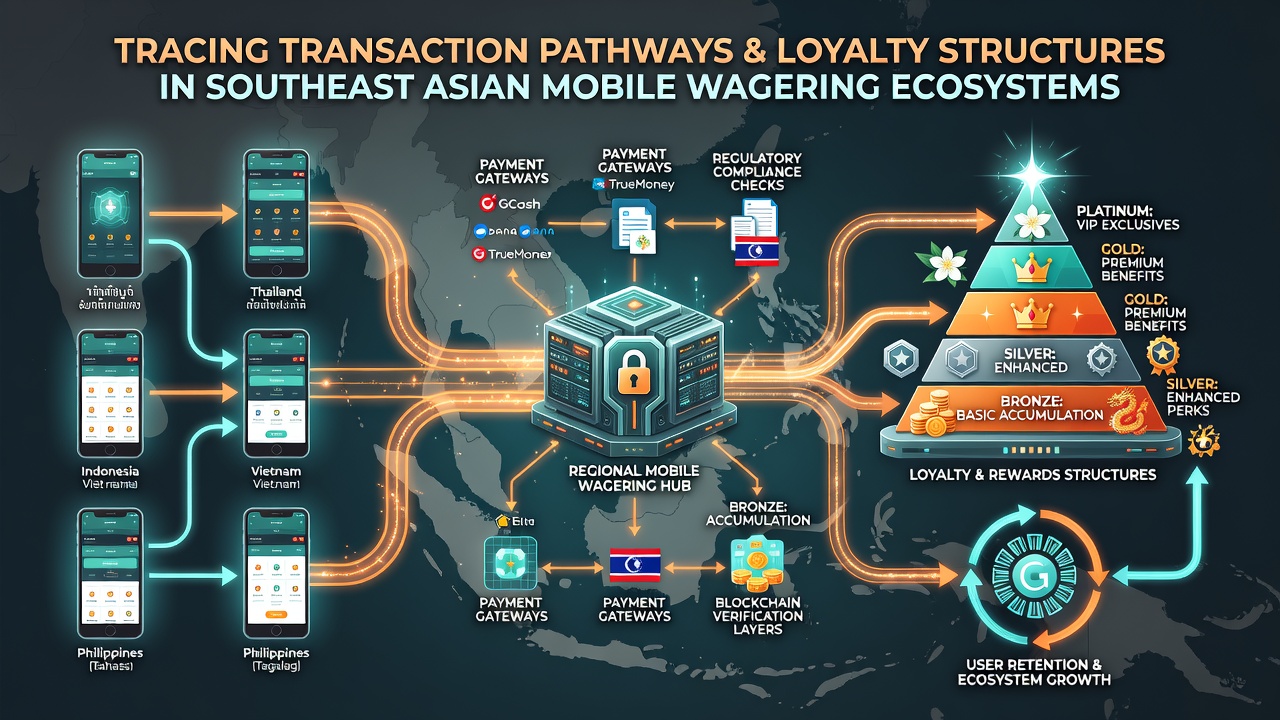
Payment gateways in these regions rely on local e-wallets such as Dana, OVO, and GrabPay alongside bank transfers and cryptocurrency options in some jurisdictions, while data from regulatory filings show that transaction volumes increased notably during the first half of 2026 as mobile penetration rates climbed above 85 percent in several countries. Loyalty programs track these movements by converting wager amounts into tier points, and researchers have documented how higher tiers unlock features like faster withdrawal approvals and exclusive event access.
Payment Infrastructure and Flow Patterns
Platforms operating in Southeast Asia integrate application programming interfaces from financial providers to route funds securely, and this setup allows users to initiate transfers that feed directly into wagering balances while simultaneously logging activity for reward calculations. In August 2026, reports from industry monitoring services indicated that average session deposits ranged between 50 and 500 local currency units depending on the market, with e-wallet transactions completing in under 30 seconds in most cases.
Security protocols include two-factor authentication and real-time fraud detection that scan for irregular patterns before funds clear, and those who analyze these systems note that such measures reduce chargeback rates by measurable margins across hybrid reel and sports betting applications. External processors often partner with regional banks to comply with varying national rules on cross-border movements, which creates distinct pathways for each country.
Loyalty Tier Mechanics and Reward Integration
Loyalty structures organize users into progressive levels determined by cumulative spend and frequency metrics, and studies reveal that point accrual rates typically multiply at higher tiers to encourage sustained engagement. These systems link transaction data to reward ledgers automatically, so a deposit processed through an approved channel adds both balance credits and loyalty progress without separate user input.
Benefits at advanced tiers include cashback percentages that scale with activity, personalized promotions tied to preferred game types, and priority support channels, while figures from platform analytics show retention improvements among users who reach mid-level status within three months of enrollment. Integration occurs through backend databases that match payment timestamps with wager histories to assign points accurately.
Regional Variations in Ecosystem Design
Markets differ in regulatory emphasis, and Thailand's frameworks stress licensed operators with strict transaction logging, whereas Indonesia permits limited digital access through approved channels that emphasize local payment rails. Vietnamese platforms incorporate more cryptocurrency options in recent updates, and Philippine operators blend sports wagering with live dealer options that feed unified loyalty ledgers.
According to research from the Australian Gambling Research Centre, cross-regional comparisons highlight how Southeast Asian systems adapt faster to mobile-first interfaces than some Western counterparts, and this adaptation influences how pathways merge payment speed with reward visibility. Singapore maintains tighter controls on advertising and access, which shapes the types of loyalty incentives available there.
Data Linkages and User Navigation Trends
Analytics tools within these ecosystems map transaction routes to loyalty outcomes by correlating deposit sources with subsequent play patterns, and evidence from aggregated reports shows that e-wallet users often accumulate points at steadier rates than those relying on bank wires due to quicker processing. Navigation interfaces present unified dashboards where balances, pending rewards, and tier status appear alongside one another.
Case examples from platform audits in 2026 demonstrate that users who combine multiple payment methods within a single account experience smoother progression through loyalty tiers, and this pattern holds across both casual and high-volume participants. Observers track these behaviors through anonymized datasets that reveal preferences for certain gateways in specific nations.
Conclusion
Transaction pathways and loyalty structures in Southeast Asian mobile wagering ecosystems continue to evolve through technological integrations that connect financial rails with reward systems, and available data from August 2026 onward illustrate ongoing refinements in speed, security, and personalization. Regional operators adjust these frameworks to align with local regulations while maintaining user accessibility, which results in diverse yet interconnected models across the area. Further monitoring of these elements provides insight into how digital wagering adapts to changing payment landscapes and engagement tools.