24 Aug 2026
teh Interplay of Transaction Security Protocols and Retention Dynamics Across Regional Digital Entertainment Platforms
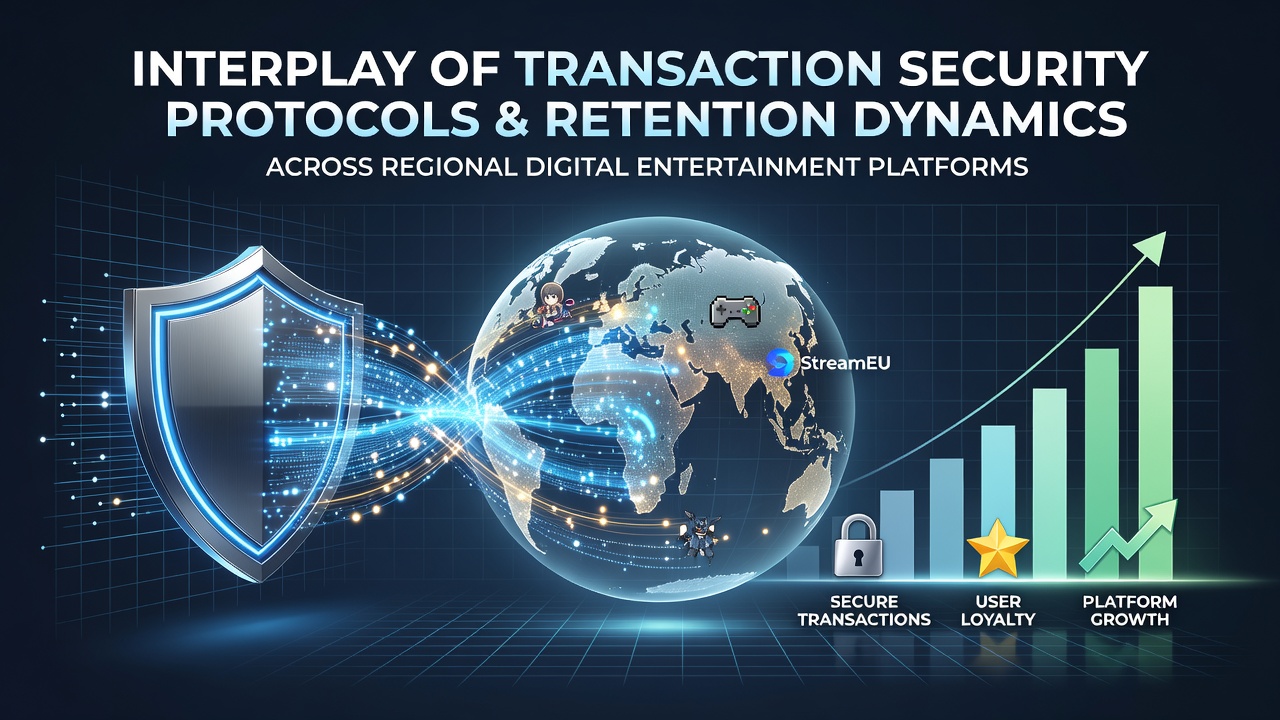
Digital entertainment platforms rely on transaction security protocols to process payments, subscriptions, and in-app purchases while maintaining user trust across diverse markets. These protocols encompass encryption standards, tokenization methods, and multi-factor authentication systems that verify each exchange before funds move between accounts and service providers. Observers note that platforms operating in Asia, Europe, and North America have adjusted these measures in response to local regulations and consumer expectations, with data from August 2026 indicating steady adoption rates in emerging markets.
Core Components of Transaction Security Protocols
Transaction security begins with end-to-end encryption that scrambles payment details during transmission, and platforms integrate this with tokenization so that actual card numbers never reach merchant servers. Researchers at institutions tracking global digital services have documented how regional variations appear in the strength of these layers, such as stricter biometric requirements in parts of Southeast Asia compared with password-based systems still common in some North American applications. Data shows that platforms using these combined approaches report fewer reported breaches, and the same figures reveal higher completion rates for first-time transactions when verification steps remain under three seconds.
Retention Dynamics Shaped by Security Measures
User retention hinges on seamless payment experiences because friction during checkout often leads to abandoned carts and eventual churn. Studies from academic research groups indicate that platforms balancing robust security with minimal user interruption achieve retention lifts of 12 to 18 percent over six-month periods, and these gains appear consistent across streaming, social gaming, and subscription video services. Those who have examined user behavior patterns point out that repeated successful transactions reinforce loyalty, whereas a single failed verification can prompt users to migrate to competitors offering faster alternatives.
Regional Differences in Implementation
Platforms serving European users incorporate data protection rules that require explicit consent for each stored payment method, while services in Australia emphasize real-time fraud detection tied to national banking networks. Figures released in mid-2026 from cross-border analyses show that Asian markets favor mobile wallet integrations with built-in security tokens, and these choices correlate with lower dropout rates during high-volume events such as seasonal content releases. Observers note that North American platforms continue testing adaptive authentication that adjusts verification depth based on transaction size and user history, and the resulting data sets demonstrate measurable differences in monthly active user counts.
Measured Connections Between Security and Retention
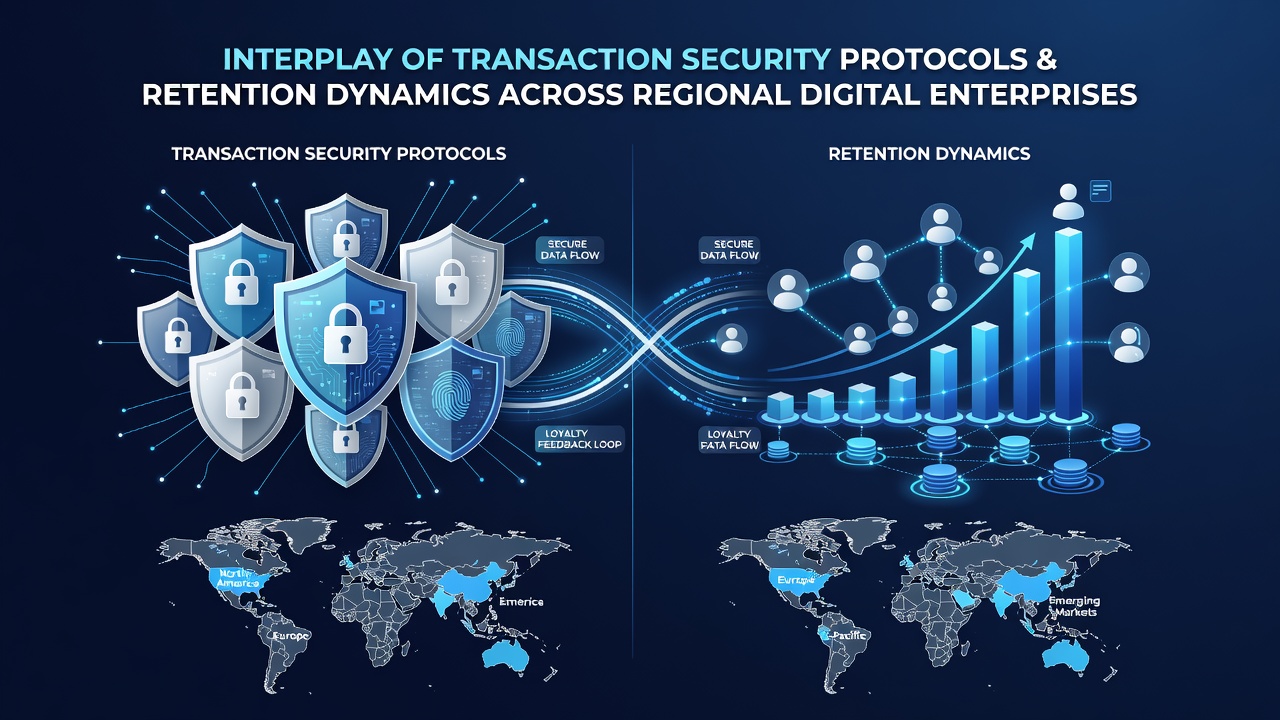
Evidence from platform analytics indicates that upgrades to security infrastructure often coincide with temporary dips in engagement followed by recovery once users adapt to new flows. A report issued by the Office of the Privacy Commissioner of Canada highlights how Canadian digital services that introduced enhanced transaction logging saw retention stabilize within eight weeks when accompanied by clear user notifications. Similar patterns emerge in Latin American markets where platforms have paired security enhancements with localized language support, and the combined effect produces sustained subscription renewals according to aggregated industry data.
Examples Across Platform Types
Streaming services in the Nordic region have integrated single-click payments secured by device-level biometrics, and user cohorts exposed to these features show lower cancellation rates during trial periods. Mobile gaming applications popular in East Asia employ layered verification that activates only for larger in-app purchases, and internal metrics shared at industry conferences confirm that this selective approach preserves session length while protecting revenue. One case examined by university researchers involved a hybrid platform offering both video content and interactive experiences, where security protocol updates aligned with a 15 percent increase in returning users over the following quarter.
Future Trajectories Based on Current Data
Analyses conducted through August 2026 project continued convergence between security standards and retention tools, with artificial intelligence assisting in real-time risk scoring that reduces unnecessary verification prompts. Platforms across multiple regions continue to share anonymized transaction data through industry consortia, and these collaborations help identify emerging threats before they affect user bases. The resulting improvements in protocol efficiency appear to support longer user lifecycles without compromising the integrity of each financial exchange.
Conclusion
Transaction security protocols and retention dynamics operate as interconnected systems within regional digital entertainment platforms, where each adjustment to verification processes influences user continuation rates. Data compiled from diverse markets demonstrates that effective integration of encryption, tokenization, and adaptive authentication sustains both safety and engagement when tailored to local expectations. Platforms that align these elements continue to record stable growth metrics as consumer habits evolve through 2026 and beyond.