8 Jun 2026
Shifting Trends in Player Preferences for Interactive Dealer Sessions Versus Automated Reel Mechanisms on Portable Devices
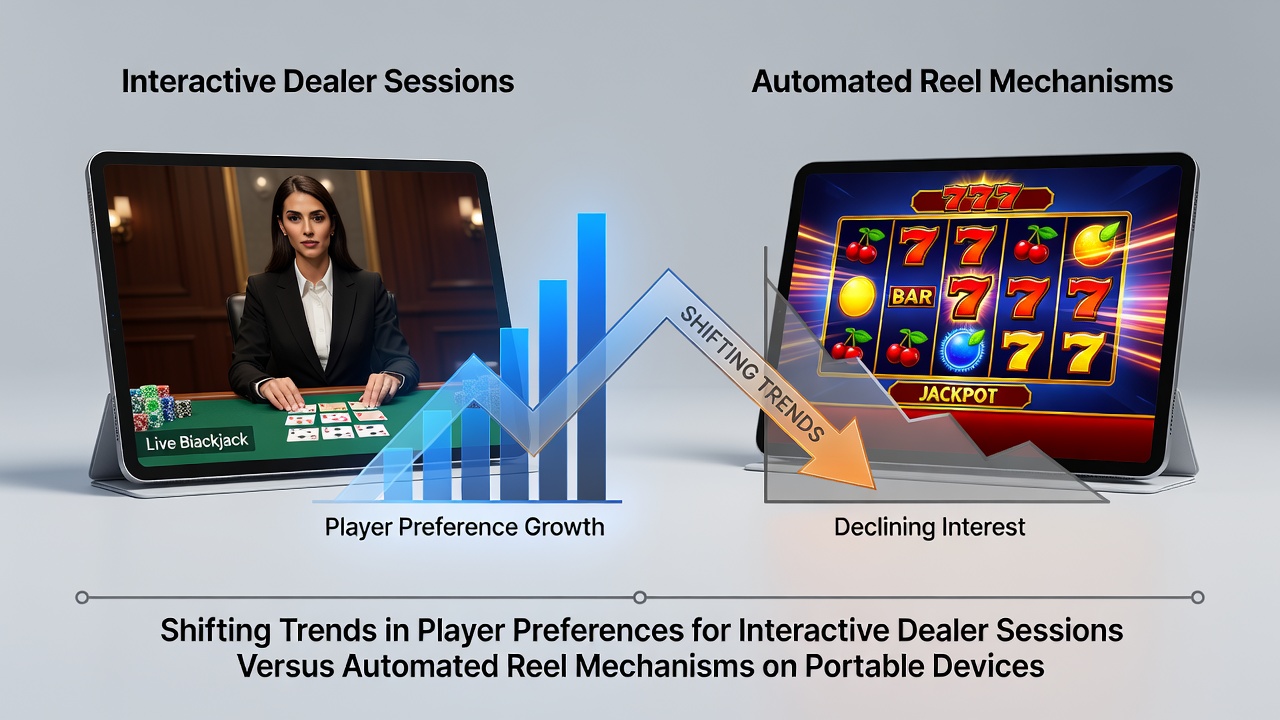
Player engagement patterns on portable devices have continued to evolve through the first half of 2026, with measurable shifts between interactive dealer sessions and automated reel mechanisms documented across multiple markets. Data compiled from operator reports shows that live dealer formats, which connect users to real-time human dealers via video streams, captured an increasing share of session time on smartphones and tablets compared with earlier years, whereas automated reel games maintained strong volume through shorter, repetitive play cycles.
Mobile Platform Growth and Format Differentiation
Portable device usage for gaming activities reached new levels by June 2026, driven by improved network infrastructure and device capabilities that support higher-quality video transmission. Interactive dealer sessions require stable connections and sufficient screen space to display card or wheel elements clearly, yet adoption rates climbed in regions where 5G coverage expanded rapidly. Automated reel mechanisms, by contrast, operate with minimal bandwidth demands and allow instant loading, which suits fragmented play periods such as commuting or brief breaks.
Industry tracking services recorded that live dealer activity on mobile accounted for roughly 28 percent of total online gaming handle in select Asian markets during the first quarter of 2026, up from 19 percent two years prior. Reel-based titles continued to generate the majority of spin counts, yet average session duration for live formats extended longer because participants remained engaged through chat functions and table progression.
Behavioral Data from Regulatory and Research Sources
Figures released by the New Jersey Division of Gaming Enforcement indicate that mobile live dealer tables processed higher average wager amounts per session than reel-only counterparts during spring 2026 reporting periods. Researchers at the University of Nevada, Reno documented similar patterns in North American samples, noting that players who began sessions on automated reels often migrated to dealer tables within the same hour when device conditions permitted sustained video.
One longitudinal review of transaction logs revealed that loyalty program members in Southeast Asia completed 47 percent more live dealer rounds on tablets than on desktop interfaces, while reel play remained evenly distributed across device types. These patterns emerged because interactive tables reward continuous attention through visible dealer responses and community elements, whereas reel sequences reward rapid repetition without requiring visual continuity.
Technical and Accessibility Factors Influencing Choice
Hardware improvements introduced in 2025 flagship phones reduced latency during live streams, which in turn lifted completion rates for interactive sessions. Battery efficiency gains also mattered, since extended dealer tables can consume more power than background reel spins. Observers note that users with newer devices showed stronger preferences for dealer formats, while those on older hardware retained higher reel usage to conserve resources.
Payment integration speed further differentiated the two formats. Many automated reel platforms process deposits and withdrawals within seconds through stored methods, allowing immediate return to play. Live dealer environments often route players through the same systems yet add brief verification steps for table entry, creating minor friction that some users accept in exchange for the social component.
Regional Variations Documented in Mid-2026 Reports
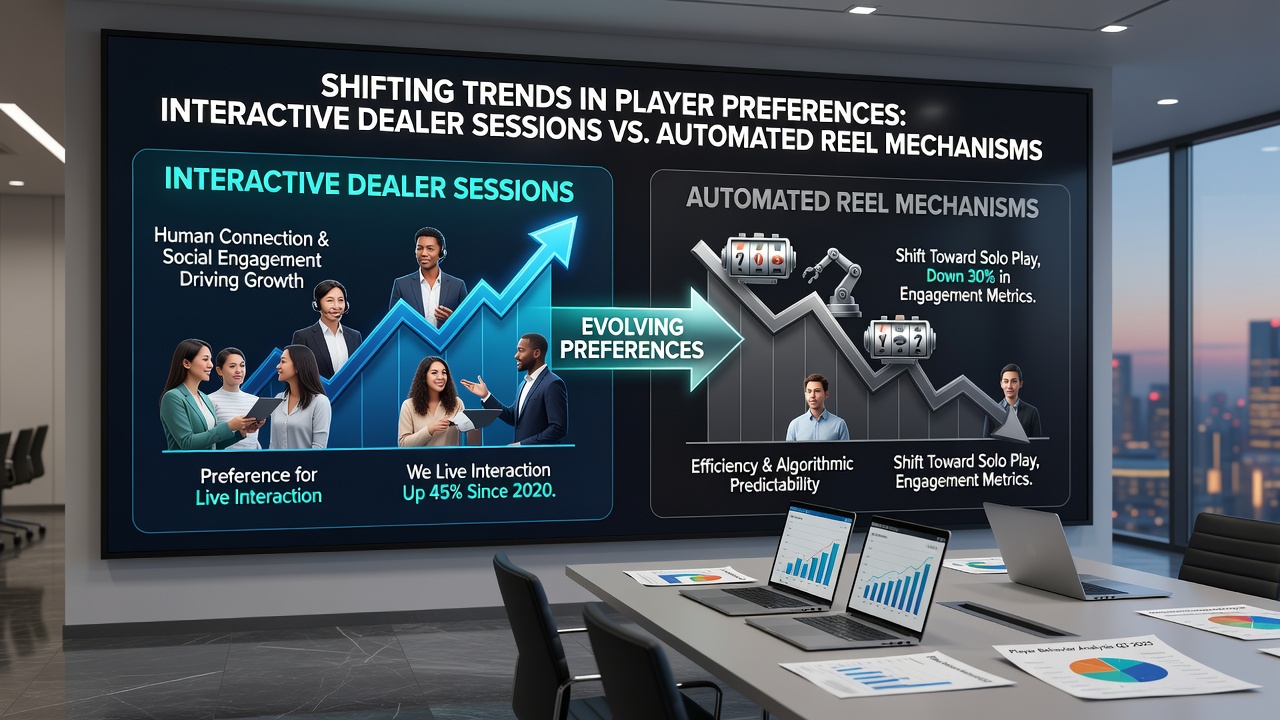
Market analyses compiled by the Asia Pacific Gaming Association highlighted that Malaysian and Singaporean operators recorded the steepest month-over-month gains in mobile live dealer participation through April and May 2026. In contrast, Australian data from state regulators showed steadier reel dominance, with live formats growing more slowly due to stricter table game licensing rules on mobile channels.
European operators outside the United Kingdom reported parallel trends, with interactive dealer traffic rising in markets that permit cross-device table continuity. Canadian provincial reports similarly noted increased mobile live play among users aged 25 to 34, a cohort that also maintained high reel activity during off-peak hours.
Future Interface Developments and Player Retention
Software providers have begun testing hybrid interfaces that allow seamless switching between dealer tables and reel banks within a single app session. Early deployment data from June 2026 suggests these combined lobbies reduce drop-off rates when players encounter wait times at popular live tables. Retention metrics improved when operators offered quick-reel side games that could run alongside paused dealer streams.
Device manufacturers continue to refine screen refresh rates and touch sampling, elements that directly affect the tactile feedback of reel spins and the clarity of dealer gestures. These incremental hardware changes are expected to influence format selection further as newer models reach broader consumer bases by late 2026.
Conclusion
Available data through June 2026 demonstrates clear divergence in how players allocate time between interactive dealer sessions and automated reel mechanisms on portable devices. Live formats gained ground where connection quality and device power supported sustained engagement, while reel mechanisms retained advantages in speed and accessibility. Continued monitoring by regulatory bodies and research institutions will clarify whether these patterns stabilize or accelerate as hardware and network conditions advance.