29 Jul 2026
Scotts Valley Band of Pomo Indians Opens Temporary Gaming Facility Near Vallejo

The Scotts Valley Band of Pomo Indians opened a temporary Class II gaming hall on its 128-acre trust land near Highway 37 in Vallejo, California during July 2026, and the facility operates as a modular structure equipped with bingo-style electronic machines under the provisions of the Indian Gaming Regulatory Act. This soft-launch preview venue requires no state compact because federal law classifies these games separately from full casino offerings, while the tribe continues to await federal reconsideration of its restored-lands determination and moves forward with plans for a larger casino-resort complex.
Background on the Project and Location
The 128-acre parcel sits in a strategic position close to major transportation routes, and city officials in Vallejo reviewed the proposal before approving a municipal services agreement that outlines support for infrastructure needs at the site. Observers note that the agreement covers essential services such as public safety coordination and utility access, allowing the temporary hall to begin operations without delay. The tribe selected this location because the land already holds trust status, which streamlines the path for gaming activities once federal approvals align.
Regulatory Framework Under IGRA
Class II gaming under the Indian Gaming Regulatory Act includes bingo and electronic facsimiles of bingo, and these activities do not trigger the compact negotiations required for Class III slot machines and table games. The Scotts Valley Band therefore launched its preview operations directly through federal authority, bypassing the lengthy state-tribal agreement process that larger resorts often face. Data from the National Indian Gaming Commission shows that tribes across the country have used similar temporary setups to generate revenue while permanent facilities remain in planning stages, and this approach provides a practical testing ground for market response in the Vallejo area.
Operational Details of the Temporary Hall
The modular facility houses electronic bingo machines that meet Class II specifications, and staff members began limited operations after completing required inspections and training programs. Patrons gain access through a controlled entry system that emphasizes security protocols consistent with federal standards, while the layout allows for future expansion if additional approvals arrive. City records indicate that the municipal services agreement also addresses traffic management and emergency response, ensuring the preview phase integrates smoothly with local resources without creating undue strain.
Next Steps Toward a Full Casino-Resort
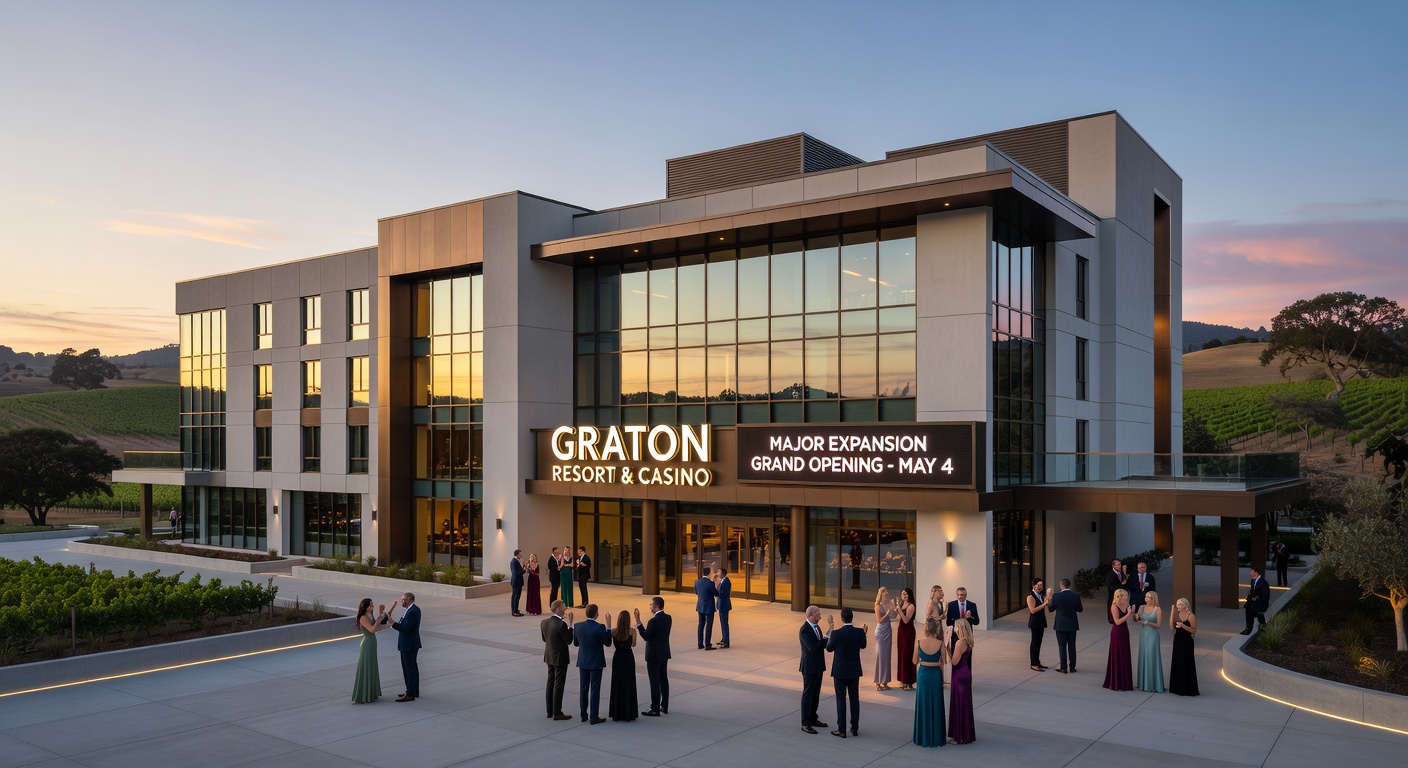
The tribe continues to seek federal reconsideration of its restored-lands determination, a process that would clarify eligibility for broader gaming rights on the Vallejo property. Once that decision arrives, development teams can advance designs for a larger casino-resort that would include additional amenities and Class III offerings under a future compact. Industry reports from sources such as 500 Nations document similar phased approaches by other restored tribes, where temporary facilities build operational experience ahead of major construction projects.
Community and Economic Context
Vallejo city leaders approved the services agreement after public review sessions that examined potential impacts on surrounding neighborhoods, and the arrangement establishes clear lines of communication between tribal representatives and municipal departments. Economic analyses from regional planning documents project that even the temporary hall could support local jobs in hospitality and maintenance, while the eventual larger resort would expand those opportunities further. The tribe maintains that all activities remain within the boundaries established by federal law, and the preview phase serves as an initial step rather than a final configuration.
Conclusion
The opening of the temporary Class II gaming hall marks a measured advancement for the Scotts Valley Band of Pomo Indians on its trust land near Highway 37, and the project proceeds under existing federal regulations while awaiting further determinations. The municipal services agreement with the City of Vallejo provides operational support, and the modular facility allows the tribe to test market conditions ahead of plans for a larger casino-resort. Additional updates on federal reviews and construction timelines will depend on decisions still pending at the national level.