17 Aug 2026
Regional Gamers Balancing Interactive Table Sessions with Event Wagers Through Adaptive Funding Routes and Tiered Access Levels

Players across multiple regions continue to combine live dealer table sessions with sports event wagers on integrated platforms, and they achieve this balance through flexible payment options alongside structured membership programs that adjust access based on activity levels. Data from industry tracking services show participation in these hybrid formats rose steadily through mid-2026 as operators expanded cross-category features on mobile and desktop interfaces. Observers note that August 2026 marked a period when several regional markets reported higher volumes of simultaneous table and wager activity, particularly where loyalty programs offered tiered entry to premium live streams and exclusive betting markets.
Platform Features Supporting Combined Play
Interactive table sessions provide real-time dealer interactions through video feeds while event wagers cover outcomes in athletic competitions, and many platforms now link these categories within single accounts so users switch between them without separate logins. Research from gaming analytics firms indicates that operators introduced unified interfaces in 2025 that display both table availability and upcoming events on the same dashboard, which reduced friction for participants who alternate between formats during a single session. Those who track player behavior report that seamless transitions between card tables and live odds boards appear more frequently in markets where regulations permit combined licensing for table games and sports products.
Adaptive Funding Routes in Practice
Funding methods have evolved to support rapid deposits and withdrawals across different game types, with options including bank transfers, digital wallets, and prepaid cards that integrate directly with platform balances. According to reports issued by the New Jersey Division of Gaming Enforcement, transaction volumes for multi-category accounts increased during the first half of 2026 as players utilized instant funding routes to maintain active positions at tables and in event markets simultaneously. Platforms adjust these routes based on user history, granting faster processing to accounts that meet volume thresholds while maintaining standard verification for newer participants, and this tiered speed aligns with membership status to encourage consistent engagement.
Tiered Access Levels and Their Impact
Membership structures typically divide users into entry, intermediate, and premium categories that unlock varying degrees of table selection, event market depth, and funding flexibility. Entry levels provide basic access to standard tables and major sports events, whereas higher tiers open private dealer rooms, niche betting lines, and expedited withdrawal channels. Figures released by the Alcohol and Gaming Commission of Ontario show that accounts reaching intermediate status in 2026 recorded greater frequency of cross-format sessions, suggesting the structure motivates progression through incremental benefits. Operators update tier criteria quarterly, incorporating metrics such as total handle and session duration to reflect actual usage patterns rather than static thresholds.
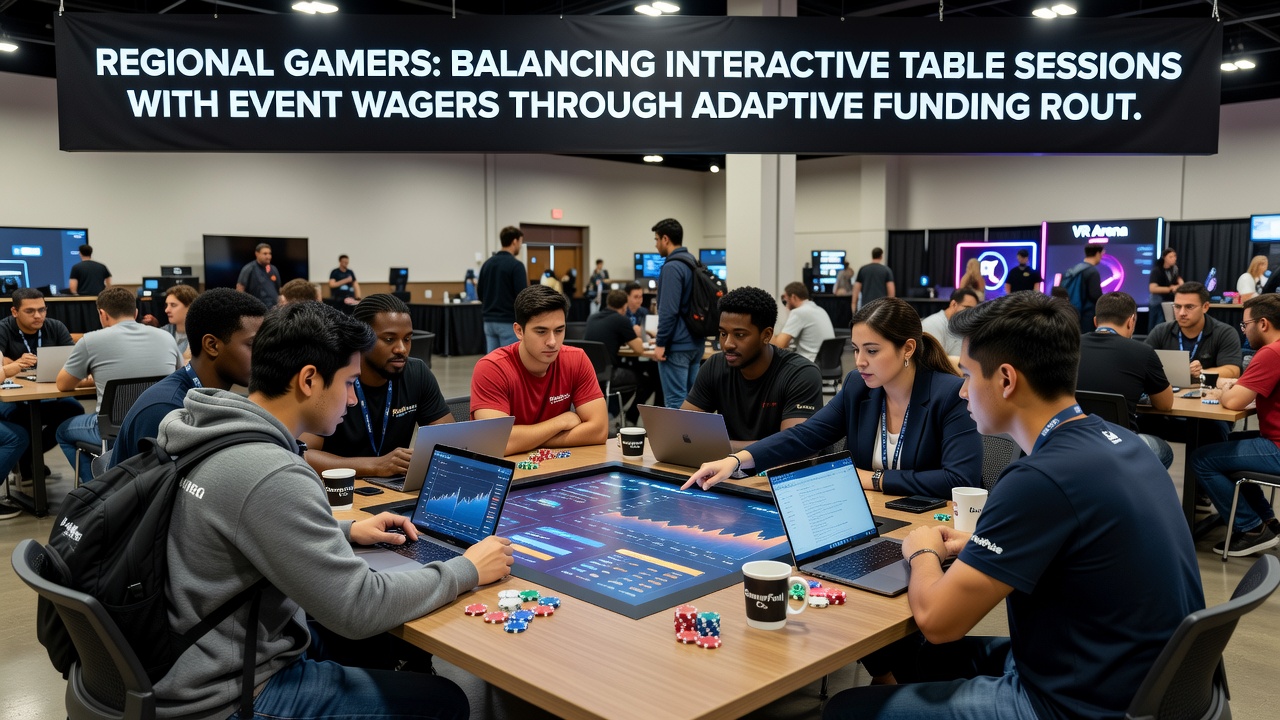
Regional Patterns Observed in August 2026
Markets in North America and parts of Asia displayed distinct yet overlapping approaches to balancing table play with event wagers during August 2026, when summer schedules increased both live tournament tables and international sports calendars. In jurisdictions with established regulatory frameworks, operators reported that users at intermediate tiers maintained longer combined sessions by routing funds through preferred digital methods that carried lower fees for verified accounts. Those monitoring platform data note that tier progression often correlates with diversified activity, as participants explore additional table variants once they gain access through accumulated play volume.
Operational Adjustments by Providers
Providers have responded by refining backend systems that monitor simultaneous table and wager activity, allowing real-time adjustments to credit limits and promotional eligibility based on tier status. Technical updates rolled out earlier in 2026 enabled platforms to display remaining funding route capacities alongside active game windows, helping users avoid interruptions during peak event periods. Industry reports compiled by the American Gaming Association indicate that such integrations contributed to steadier revenue streams across hybrid offerings without requiring separate infrastructure for each category.
Conclusion
Regional participants continue to navigate interactive table sessions alongside event wagers by leveraging adaptive funding options and membership structures that scale with engagement. Regulatory data from multiple jurisdictions confirm that these mechanisms support sustained activity across categories, and August 2026 trends demonstrated consistent adoption in markets where operators maintain unified account systems. As platforms further synchronize features, the patterns established this year provide a baseline for tracking future shifts in how users allocate time and resources between formats.