3 Aug 2026
Navigating Layered Incentives When Blending Athletic Wagers with Interactive Sessions on Handheld Platforms
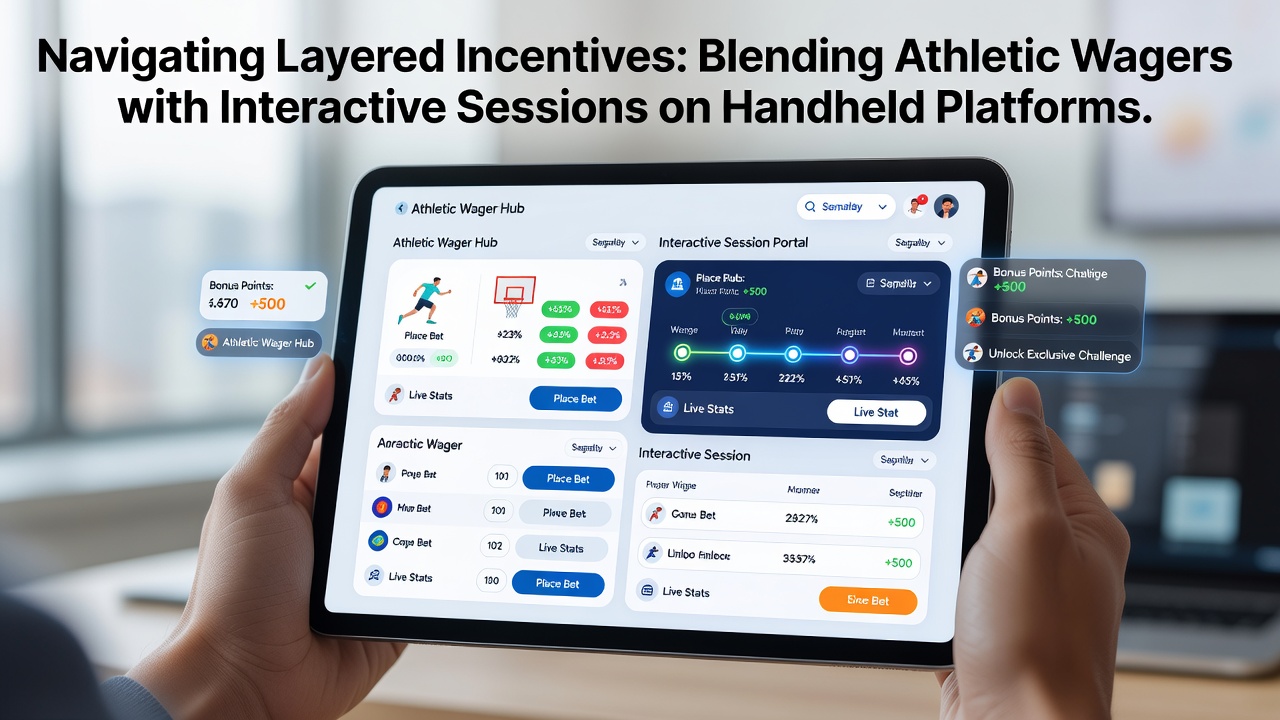
Players across multiple regions continue to combine athletic wagers with interactive dealer sessions through handheld platforms, and layered incentive structures require careful navigation because rewards often apply differently depending on the activity type and the specific promotion terms. Data from industry reports indicate that mobile hybrid gaming activity rose steadily through mid-2026, with August figures showing sustained growth in sessions that mix real-time sports betting alongside live table games on the same device.
Understanding Incentive Structures Across Activity Types
Operators structure bonuses to cover both sports wagering and interactive sessions, yet eligibility rules frequently separate the two categories so that a deposit match might apply fully to athletic wagers while live dealer play receives only partial credit toward wagering requirements. Researchers at gaming analytics firms note that players who examine these distinctions before committing funds reduce the risk of forfeited rewards, since many promotions list separate contribution percentages for each vertical.
Take one frequent user who tracked a multi-tier loyalty program across a Malaysian platform and discovered that sports bets contributed at 100 percent toward tier advancement while interactive sessions counted at 50 percent, a difference that influenced daily play patterns throughout the summer months. Similar patterns appear in other markets, where operators adjust contribution rates to balance player engagement between the faster-paced betting markets and the slower rhythm of live dealer tables.
Platform Features That Support Reward Tracking
Handheld applications now include integrated dashboards that display remaining wagering requirements broken down by activity type, and these tools allow users to monitor progress across both sports and interactive sections without switching between separate menus. Figures released by regional regulators show that platforms offering real-time reward tracking recorded higher session completion rates during the first half of 2026 compared with those that required manual calculations.

Payment method choices also intersect with incentive layers because certain deposit options trigger additional cashback percentages that apply only when funds move into sports betting wallets first, whereas live dealer play may receive a separate rebate after a set number of hands. Observers at industry conferences in August 2026 highlighted that players who align their funding sequence with these rules maximize the combined value of welcome packages and ongoing loyalty credits.
Regional Patterns in Hybrid Mobile Play
Market data compiled by the American Gaming Association reveal that mobile users in regulated jurisdictions increasingly split their time between athletic wagers and interactive sessions within single sessions, a behavior that prompts operators to create cross-category promotions. In parallel, studies from the University of Nevada Gaming Research Center indicate that clear disclosure of incentive layering correlates with longer player retention across both verticals.
Platforms serving Southeast Asian markets adopted similar approaches during 2026, with several operators introducing unified loyalty currencies that convert sports win points and interactive session points into a single redeemable balance. Those who studied user behavior across these systems found that transparent conversion rates encouraged more balanced participation rather than concentration in one activity type.
Practical Steps for Managing Multiple Reward Streams
Users who succeed in these environments typically follow a consistent sequence: they review the full promotion schedule before depositing, they allocate funds according to the contribution rates listed for each vertical, and they track progress through the application dashboard rather than relying on memory. Regulatory updates published in August 2026 by several state gaming boards emphasized the importance of displaying these rates prominently within the mobile interface to reduce player confusion.
One documented case involved a user who combined a sports-specific cashback offer with a live dealer tournament entry that required a minimum number of hands, and the platform automatically applied the cashback to the remaining wagering requirement once the tournament concluded. Such automation reduces manual tracking but still demands that players confirm the interaction rules in advance.
Conclusion
Layered incentives in hybrid mobile environments continue to evolve as operators refine contribution rates, tracking tools, and cross-category promotions to accommodate users who blend athletic wagers with interactive sessions. Data collected through 2026 demonstrate that platforms providing clear breakdowns of reward eligibility and real-time progress indicators support more sustained engagement across both activity types. Players who review terms, align deposits with contribution rules, and monitor unified dashboards position themselves to utilize available incentives without encountering unexpected restrictions.