25 Jul 2026
Mapping the Evolution of Transaction Security Measures Within Malaysian Mobile Platforms That Blend Athletic Wagering and Automated Gaming Features
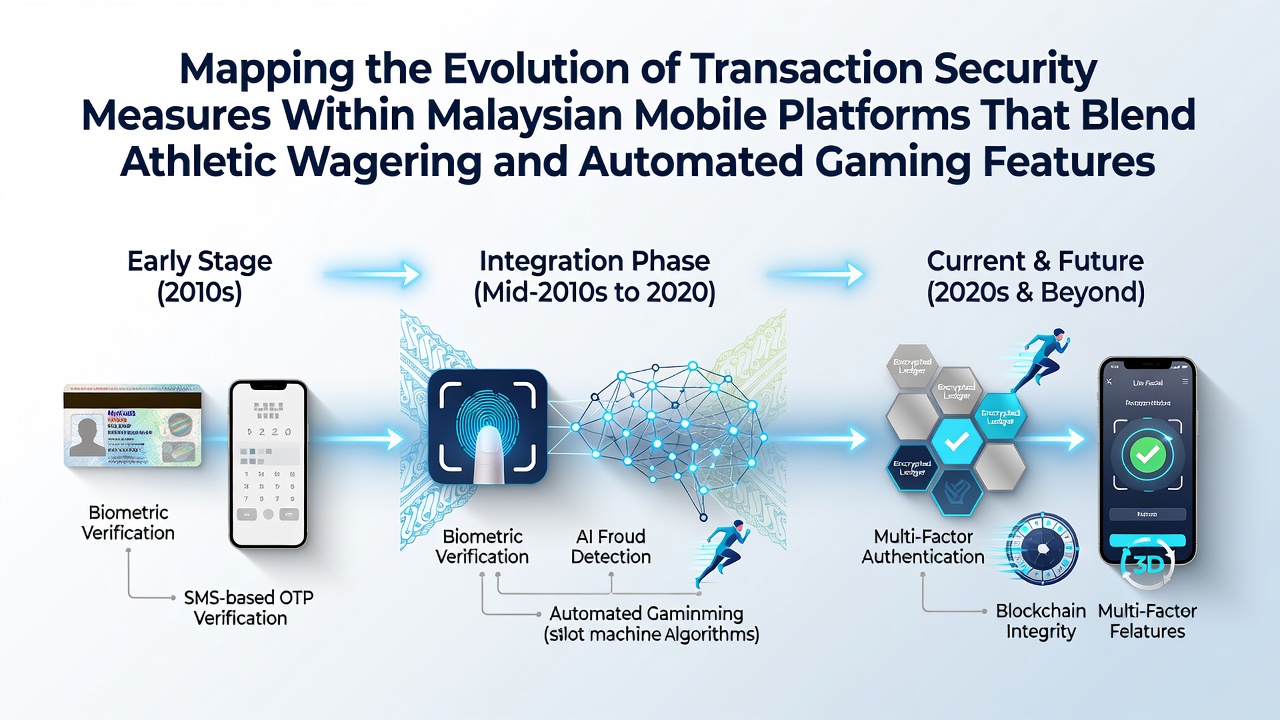
Transaction security within Malaysian mobile platforms that combine athletic wagering with automated gaming features has undergone steady transformation since the early 2010s, driven by regulatory updates from Bank Negara Malaysia and the Ministry of Finance along with advances in encryption and authentication technologies.
Initial Security Foundations in Mobile Hybrid Platforms
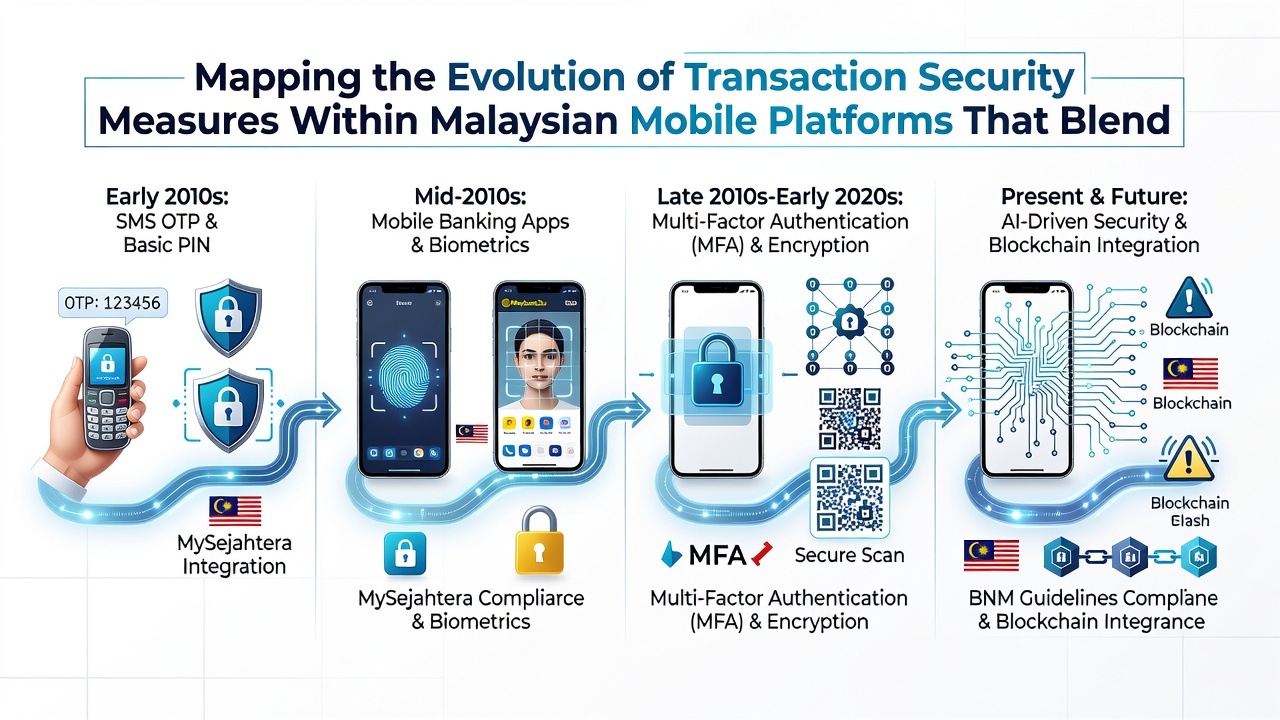
Early Malaysian mobile applications that integrated sports betting options with automated reel mechanisms relied primarily on basic PIN verification and standard SSL encryption, yet these measures quickly proved insufficient against rising instances of account takeover attempts that targeted cross-border payment gateways used by local users. Data compiled by financial regulators shows that transaction volumes in these hybrid environments grew substantially between 2015 and 2018, prompting platform operators to introduce two-factor authentication protocols that combined SMS codes with device fingerprinting to reduce unauthorized access during live event wagers and automated game sessions.
Regulatory Shifts and Encryption Upgrades Through 2022
By 2019 Malaysian authorities required licensed operators to adopt tokenization for all stored payment credentials, a step that separated sensitive card details from active transaction streams while maintaining seamless funding flows between athletic event bets and automated gaming interfaces. Studies conducted by regional financial technology research groups indicate that this change lowered fraud rates associated with mobile wallet integrations by approximately 40 percent within the first two years of implementation. Platform developers responded by embedding end-to-end encryption standards that covered both real-time sports wagering settlements and automated spin sequences, ensuring that data packets remained protected across public networks frequently used in urban and rural areas alike.
Biometric Authentication and AI Monitoring Emerge
Between 2020 and 2023 biometric verification methods including fingerprint and facial recognition became standard across major Malaysian hybrid platforms, replacing or supplementing traditional passwords because these technologies offered faster authentication during high-frequency betting windows on athletic matches and automated game rounds. Observers note that artificial intelligence systems began monitoring transaction patterns in real time, flagging anomalies such as unusual stake sizes or rapid switches between sports wagering and automated features that could signal compromised accounts. According to reports from the Malaysian Communications and Multimedia Commission, these layered controls contributed to a measurable decline in disputed transactions reported by users during major sporting events.
Developments Observed in Mid-2026
By July 2026 several platforms had incorporated behavioral analytics that tracked user interaction rhythms across both athletic wagering dashboards and automated gaming modules, creating dynamic risk scores that adjusted security thresholds automatically during peak activity periods. Integration with secure element chips in newer smartphones further strengthened on-device encryption for payment authorizations, while regulatory guidance encouraged adoption of decentralized ledger elements for audit trails that remained tamper-resistant even when transactions spanned multiple gaming formats. Figures released by industry monitoring bodies reveal that these combined approaches reduced successful fraud attempts involving cross-format balance transfers by notable margins compared with earlier periods.
Interoperability Challenges and Technical Responses
Operators managing platforms that blend athletic wagering with automated gaming features faced ongoing challenges related to maintaining consistent security across diverse payment rails including local e-wallets, bank transfers, and international card networks. Research from academic institutions in Southeast Asia highlights how developers addressed these issues through unified security orchestration layers that applied the same encryption and monitoring rules regardless of whether funds moved toward a live sports market or an automated reel sequence. Such standardization proved essential because users frequently shifted between the two categories within single sessions, creating multiple entry points that required uniform protection.
Conclusion
The trajectory of transaction security in Malaysian mobile platforms that merge athletic wagering and automated gaming continues to reflect coordinated efforts between regulators, financial institutions, and technology providers. Ongoing refinements in biometric systems, real-time analytics, and encryption protocols demonstrate how these environments adapt to emerging threats while supporting fluid movement between sports betting and automated game features. Data collected through 2026 indicates sustained focus on interoperability and user authentication will shape further enhancements in the coming years.