10 Jun 2026
Malaysian Users Integrate Traditional Card Tactics with Algorithmic Predictions for Cross-Border Mobile Wagering
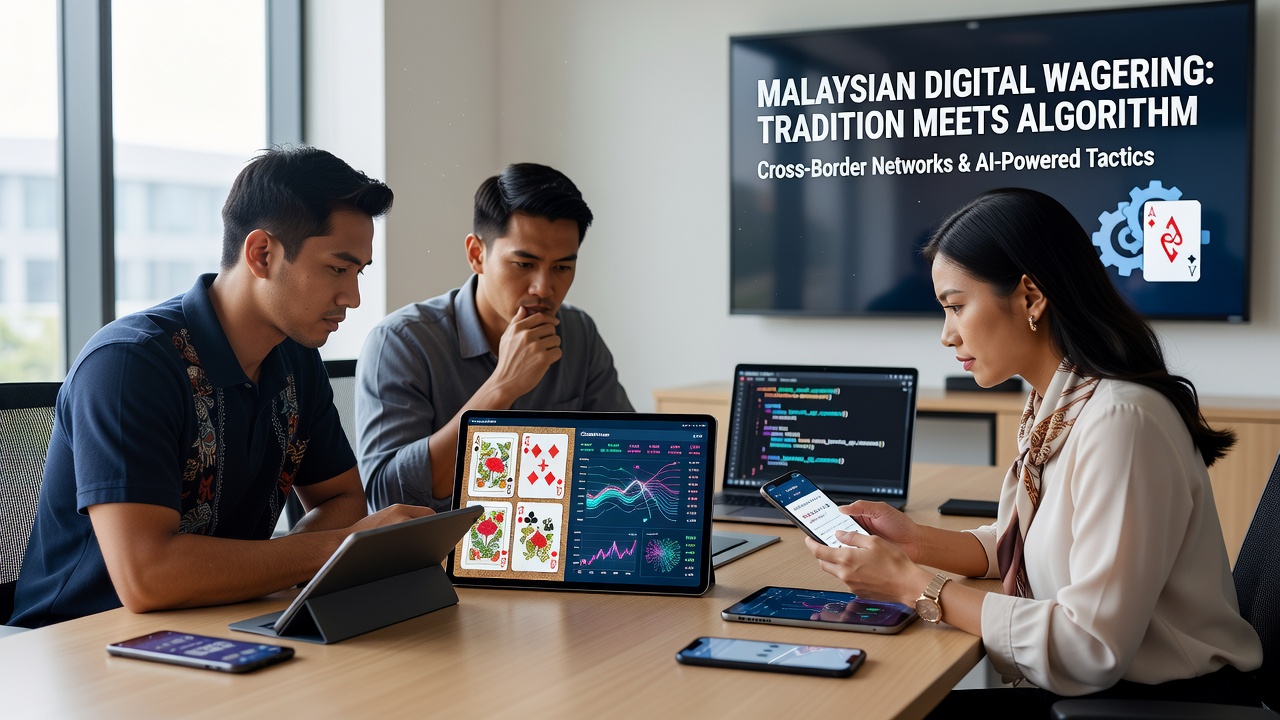
Players across Malaysia continue to merge long-standing approaches from physical card games with modern algorithmic prediction tools as they connect to cross-border digital wagering networks through handheld devices, and this combination has grown steadily by June 2026 according to industry tracking data. Observers note that many individuals bring experience from games such as poker, blackjack, and rummy played in local settings, then apply those pattern-recognition methods alongside software that processes live odds and historical trends from international servers.
Foundations in Traditional Card Play
Traditional card tactics emphasize probability assessment, opponent behavior reading, and bankroll discipline developed over repeated sessions in community or family environments, and these same principles transfer directly when users open mobile interfaces to foreign platforms. Research from regional gaming studies shows that participants who started with offline play maintain higher consistency in decision-making even after switching to digital formats, because core calculations remain unchanged while speed increases dramatically on portable screens.
Algorithmic Tools Enter the Picture
Algorithmic prediction tools analyze vast datasets including past outcomes, current market movements, and statistical models that update in real time, and Malaysian users often run these programs in parallel with their own mental frameworks rather than replacing personal judgment entirely. Data from multiple device usage reports indicates that apps capable of scanning multiple cross-border sites simultaneously have seen increased downloads throughout early 2026, particularly among those who already track card sequences manually during live sessions.
Handheld Device Access Patterns
Smartphones and tablets serve as the primary gateway because they allow constant connectivity across borders while supporting both native apps and browser-based access to offshore networks, and users frequently toggle between prediction software overlays and the wagering interface itself. Those who study these habits report that many sessions begin with a quick scan of algorithmic outputs followed by manual adjustments drawn from traditional experience, creating a hybrid workflow that fits within short time windows during daily routines.
Cross-Border Network Considerations
Accessing networks hosted outside Malaysia introduces variables such as currency conversion, regulatory differences, and latency issues, yet algorithmic tools help compensate by flagging optimal entry points while traditional tactics guide risk thresholds. Figures from international gaming associations reveal that traffic from Malaysian IP addresses to licensed offshore operators has remained consistent into June 2026, with a notable portion of activity occurring on mobile connections that support both predictive analytics and secure transaction layers.
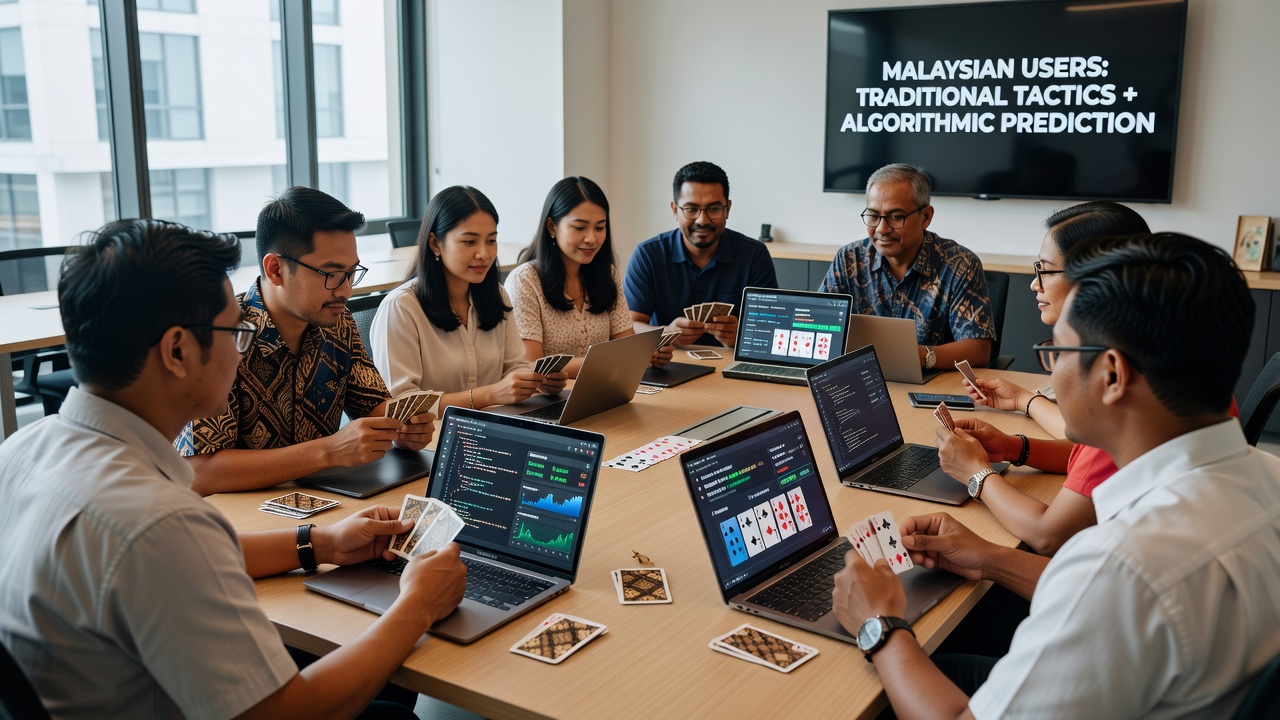
One documented case involved a group of regular players who adapted blackjack counting methods into custom spreadsheet formulas that fed into commercial prediction apps, resulting in coordinated sessions across multiple time zones without altering their core risk parameters. Similar patterns appear in reports compiled by academic research centers focused on digital leisure behaviors, where hybrid strategies surface most often among users with prior exposure to structured card environments.
Integration Techniques Observed in Practice
Users commonly employ a sequence that starts with algorithmic screening of available markets, followed by application of traditional position sizing rules, and ends with real-time adjustments based on live feed discrepancies, and this layered approach minimizes exposure while maximizing information use. Industry organization surveys conducted in Southeast Asia show that participants who combine these elements report longer engagement periods on handheld devices compared with those relying on either method alone, because the dual input creates additional verification steps before each wager.
Regulatory updates in neighboring jurisdictions during spring 2026 have prompted some operators to enhance mobile compatibility features, and this has indirectly supported continued Malaysian access through improved interface stability that works well with third-party prediction overlays. Observers tracking these developments note steady adoption rates without significant disruption, as the underlying tactics remain portable across changing platform conditions.
Conclusion
The blending of traditional card game tactics with algorithmic prediction tools continues to shape how Malaysian users interact with cross-border digital wagering networks on handheld devices, and available data through June 2026 points to sustained activity built on established personal methods augmented by computational support. This pattern reflects broader technology adoption trends while preserving core decision frameworks developed outside digital environments, and further monitoring by research institutions will likely document additional refinements as both hardware and software capabilities advance.