22 Aug 2026
How Interconnected Loyalty Mechanisms Shape Engagement Patterns in Borderless Digital Entertainment Networks
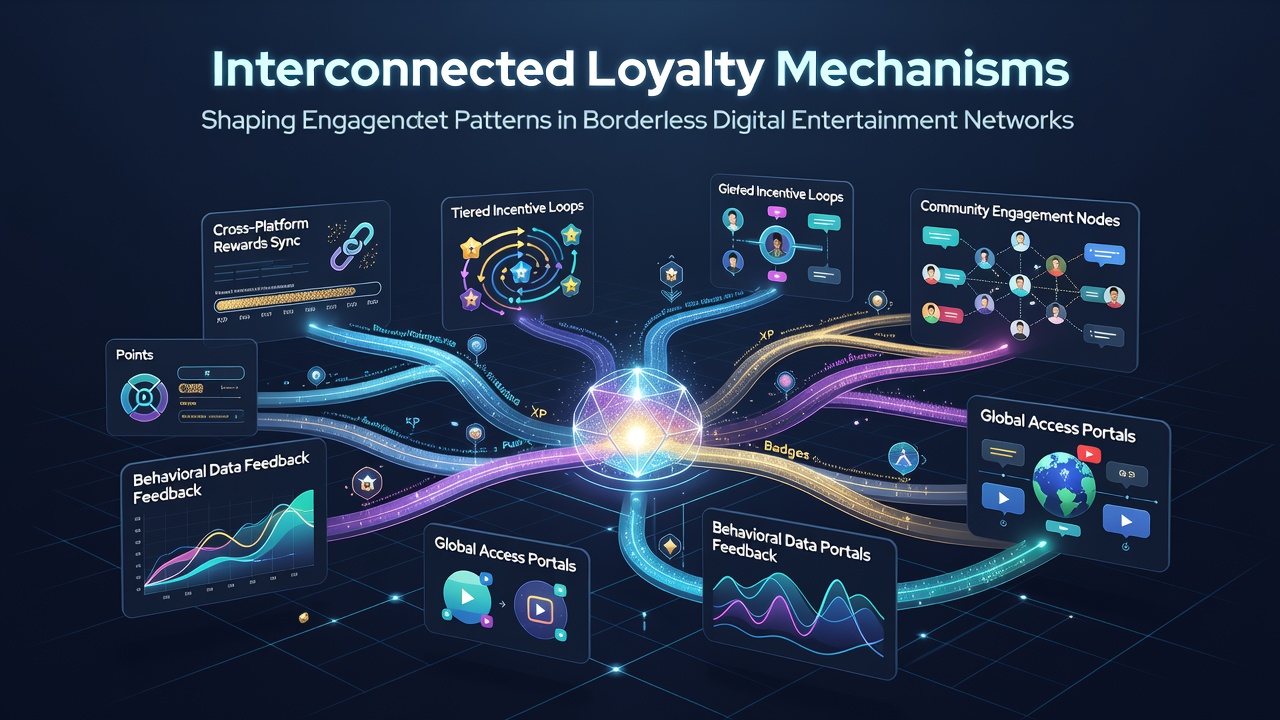
Digital entertainment platforms now operate across national boundaries with loyalty systems that connect user activity from online gaming to streaming services and interactive wagering environments. These mechanisms track participation through shared reward currencies, allowing points earned in one jurisdiction to influence access in another, and data collected during August 2026 shows continued expansion of such cross-platform integrations among operators serving multiple regions.
Mechanics of Cross-Platform Reward Integration
Operators link loyalty tiers through centralized databases that synchronize user profiles across mobile applications and web interfaces, so a participant completing challenges on a reel-based game receives credits applicable to live dealer sessions hosted on partnered platforms. This structure relies on standardized data protocols that permit seamless transfer of engagement metrics while complying with local regulatory frameworks in places such as the European Union and parts of Southeast Asia.
Studies from research institutions indicate that users who accumulate benefits across multiple entertainment formats maintain longer session durations compared with those limited to single-platform rewards, and the same reports note increased frequency of logins when points from athletic event wagers convert directly into credits for automated reel mechanisms.
Regional Regulatory Influences on Network Design
Government agencies in Australia and Canada have published guidelines requiring operators to maintain transparent records of how loyalty data moves between services, and these rules shape the technical architecture of borderless networks by mandating audit trails that operators must preserve for at least five years. Figures released by the Malta Gaming Authority reveal that integrated systems now represent over sixty percent of licensed digital platforms operating in multiple markets, with the majority incorporating real-time synchronization features introduced during platform updates completed in the first half of 2026.
User Behavior Patterns in Connected Environments
Observers note that participants frequently alternate between entertainment formats when reward pathways connect them, such as moving from a sports wagering interface to a portable casino application after reaching a milestone that unlocks bonus rounds. Data compiled by academic researchers at institutions in Singapore demonstrates that such transitions occur more often when loyalty tiers provide visible progress bars visible across all linked services.
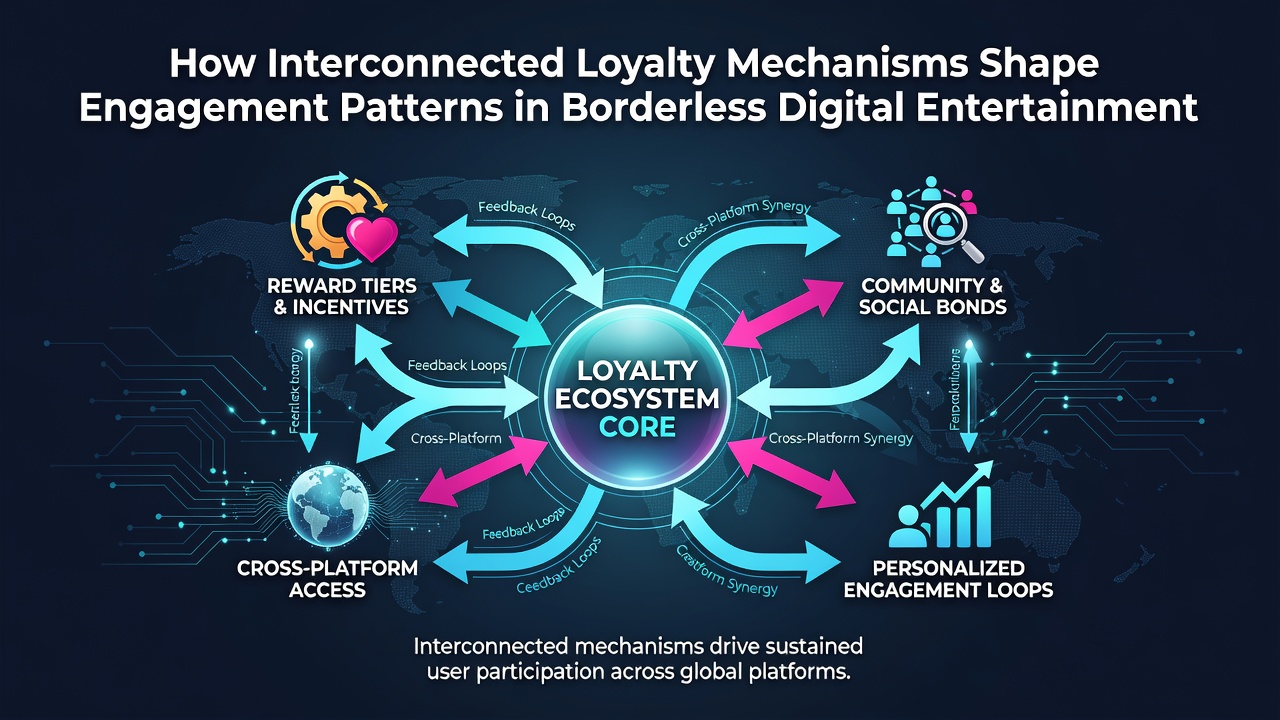
One industry analysis covering markets in North America and Europe found that players enrolled in multi-platform programs completed an average of eighteen percent more transactions per month than those using isolated systems, and the same analysis recorded higher retention rates during periods when operators introduced seasonal challenges spanning different content types.
Technical Infrastructure Supporting Global Reward Flows
Cloud-based ledgers and application programming interfaces enable the real-time exchange of loyalty balances while operators maintain separate compliance modules for each regulatory region. These systems prevent double-counting of rewards yet allow users to view a unified progress dashboard, and developers have refined the underlying algorithms throughout 2026 to reduce latency during peak usage hours.
Trade associations representing digital entertainment providers report that investment in such infrastructure increased by twenty-two percent year-over-year, driven by demand for features that let participants transfer benefits earned through interactive dealer sessions to accounts used for automated gaming content.
Conclusion
Interconnected loyalty mechanisms continue to influence how users navigate digital entertainment offerings that cross geographic and regulatory lines. The data collected through August 2026 indicates steady adoption of synchronized reward structures, supported by evolving technical standards and regional oversight that together define engagement patterns across these networks.