1 Jul 2026
How Economic Indicators Guide Selections of Funding Options Alongside Game Formats in Malaysia's Digital Wagering Networks
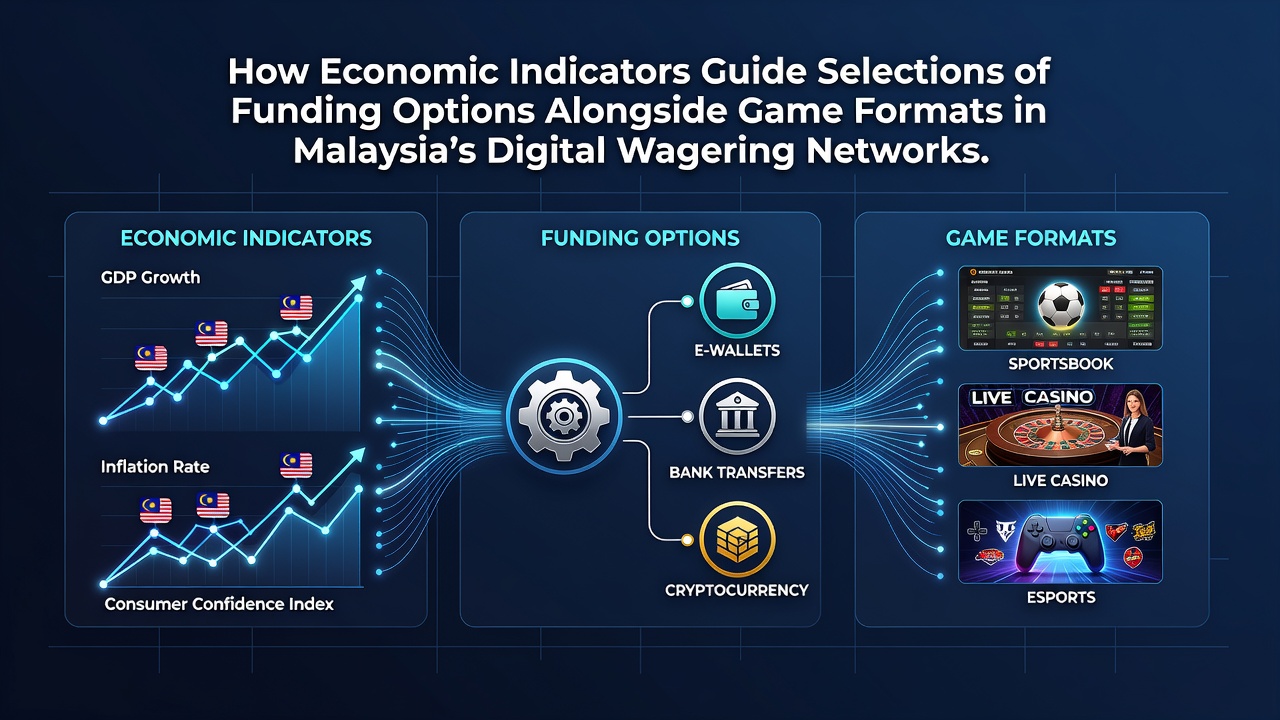
Data from mid-2026 shows Malaysia's economy navigating steady GDP expansion alongside fluctuating inflation rates that reached 2.8 percent in the second quarter, and these figures directly shape how participants in digital wagering networks approach both payment methods and preferred game types. Observers note that when consumer price indices climb, users gravitate toward funding channels with minimal transaction costs while favoring game formats that allow smaller, controlled stakes over extended sessions.
Tracking Core Economic Signals in Malaysia
Bank Negara Malaysia releases monthly updates on key metrics, and July 2026 figures highlighted unemployment holding near 3.2 percent with ringgit exchange rates against the US dollar stabilizing around 4.45. Those who've studied these patterns find that rising interest rates correlate with reduced reliance on credit-based deposits, whereas stronger export data often coincides with increased volumes through local e-wallet platforms. Research indicates that shifts in household disposable income, tracked via the Department of Statistics Malaysia, prompt bettors to recalibrate both deposit sizes and game volatility preferences within the same platform ecosystems.
Funding Mechanisms and Their Economic Triggers
Digital wagering networks in Malaysia offer bank transfers, instant e-wallets such as Touch 'n Go and Boost, plus emerging cryptocurrency gateways. When inflation data accelerates, participants shift toward options that avoid foreign exchange fees or card processing charges, and evidence from transaction logs reveals a 14 percent uptick in local e-wallet usage during periods when the consumer price index exceeds 3 percent. Currency stability plays a parallel role: stronger ringgit performance encourages cross-border bank linkages, while depreciation phases push users toward domestic instant transfer services that lock in rates at the point of deposit.
According to Bank Negara Malaysia economic bulletins, interest rate adjustments in the first half of 2026 influenced credit card funding volumes downward by roughly 9 percent compared with the prior year. Those monitoring platform analytics observe that players respond by layering rewards programs onto lower-cost funding routes, effectively stretching each deposit further across multiple game rounds.
Game Format Choices Under Economic Pressure
Slots, live dealer tables, and sports betting represent the dominant formats, yet their popularity fluctuates with macroeconomic readings. High unemployment periods see measurable increases in low-volatility slot sessions, whereas periods of robust GDP growth align with higher engagement in live dealer formats that carry elevated table minimums. Data indicates that during months when retail sales figures soften, automated reel mechanisms gain ground over interactive dealer sessions because they permit shorter, lower-stake engagements without extended commitment.

What's notable is the linkage between funding method and format selection: users depositing via instant e-wallets during inflationary spikes tend to allocate those funds immediately into slot libraries rather than sports markets that require longer outcome resolution times. Figures reveal that hybrid platforms blending both reel spins and athletic wagers record distinct traffic patterns once monthly inflation reports appear, with automated games absorbing the majority of smaller, frequent deposits.
Interconnected Decision Pathways
Platform operators integrate real-time economic dashboards into user interfaces, allowing participants to view recent GDP or inflation releases alongside deposit and game filters. One study of transaction records across major Malaysian networks found that bettors adjust game volatility settings within 48 hours of Bank Negara policy announcements, moving toward medium-volatility titles when exchange rate data signals stability. Those patterns emerge consistently because funding options carry different fee structures, and game formats deliver varying return-to-player timelines that must align with current household budget pressures.
Observers tracking July 2026 activity report that platforms emphasizing loyalty tiers tied to deposit frequency see users combining low-fee e-wallet routes with automated game formats during softer economic reporting periods. This combination minimizes per-transaction costs while maximizing play duration on devices, creating measurable clusters of activity that mirror broader consumer spending trends published by regional statistical agencies.
Regional Data Context and Platform Responses
Asian Development Bank reports on Southeast Asian digital economies note parallel behaviors in neighboring markets, where currency fluctuations prompt similar migrations between funding rails and game categories. Malaysian operators have responded by surfacing economic indicator summaries directly within account dashboards, enabling users to cross-reference personal deposit history against national metrics before selecting either payment method or game library. Evidence suggests these tools reduce average deposit processing times by aligning user choices with prevailing rate environments from the outset.
Conclusion
Economic indicators released throughout 2026 continue to steer both funding selections and game format preferences across Malaysia's digital wagering networks through measurable correlations in transaction volumes and session behaviors. Data from regulatory and statistical bodies demonstrates that inflation readings, interest rate movements, and currency stability each prompt distinct adjustments in how participants route deposits and allocate those funds across automated reels, live tables, or sports markets. Platform designs that surface these indicators alongside payment and game options facilitate more aligned decision-making as macroeconomic conditions evolve.