13 Jul 2026
How Digital Payment Innovations Are Reshaping Mobile Engagement With Live Dealer and Slot Games in Malaysia
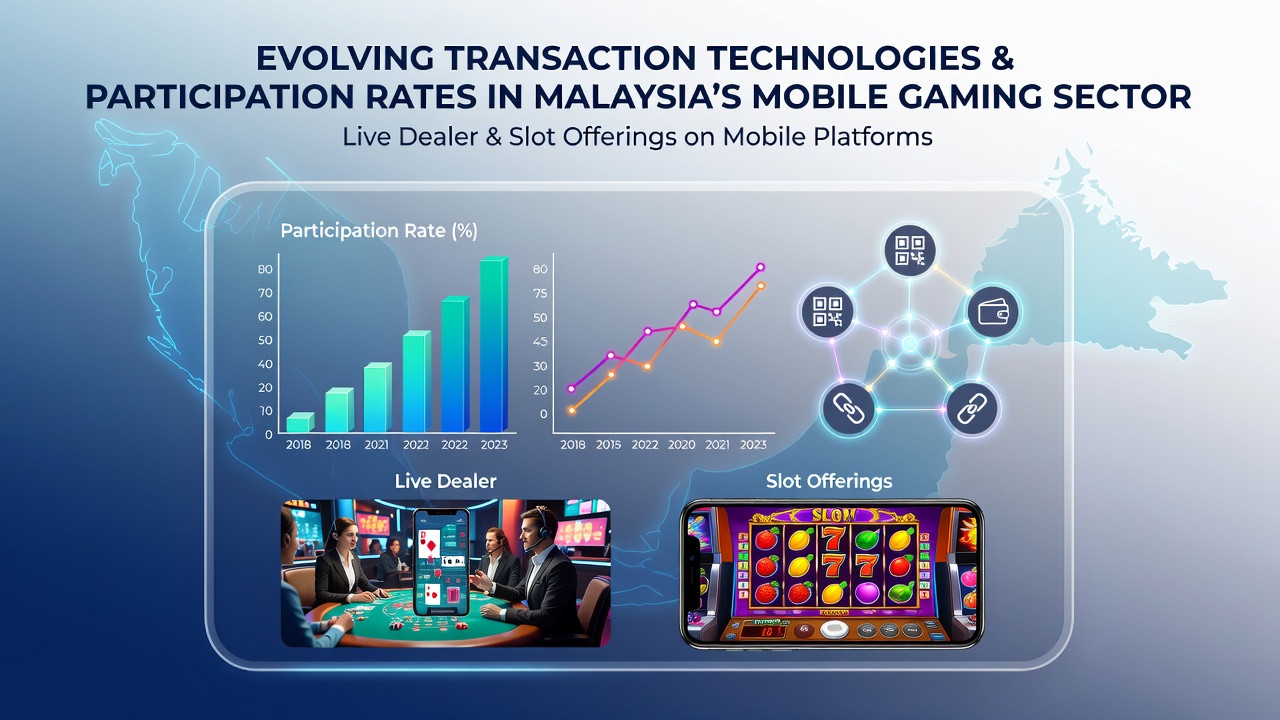
Transaction technologies continue to evolve at a steady pace throughout Malaysia, and observers note clear connections between these shifts and participation patterns in mobile-based live dealer sessions along with automated slot offerings. Data from the first half of 2026 shows increased adoption of instant settlement methods, and figures released in July 2026 indicate that mobile transaction volumes linked to gaming platforms rose by approximately 28 percent compared with the same period in 2025.
Payment Infrastructure Developments Across the Country
Bank Negara Malaysia has documented steady expansion of real-time payment rails such as the Real-Time Retail Payments Platform, which now processes the majority of peer-to-peer transfers within seconds. E-wallet providers including Touch 'n Go eWallet and GrabPay have integrated these rails directly into merchant APIs, allowing users to move funds from bank accounts to gaming wallets without leaving the mobile application. Industry reports compiled by regional fintech associations reveal that average deposit completion times dropped from 47 seconds in early 2025 to under 12 seconds by mid-2026.
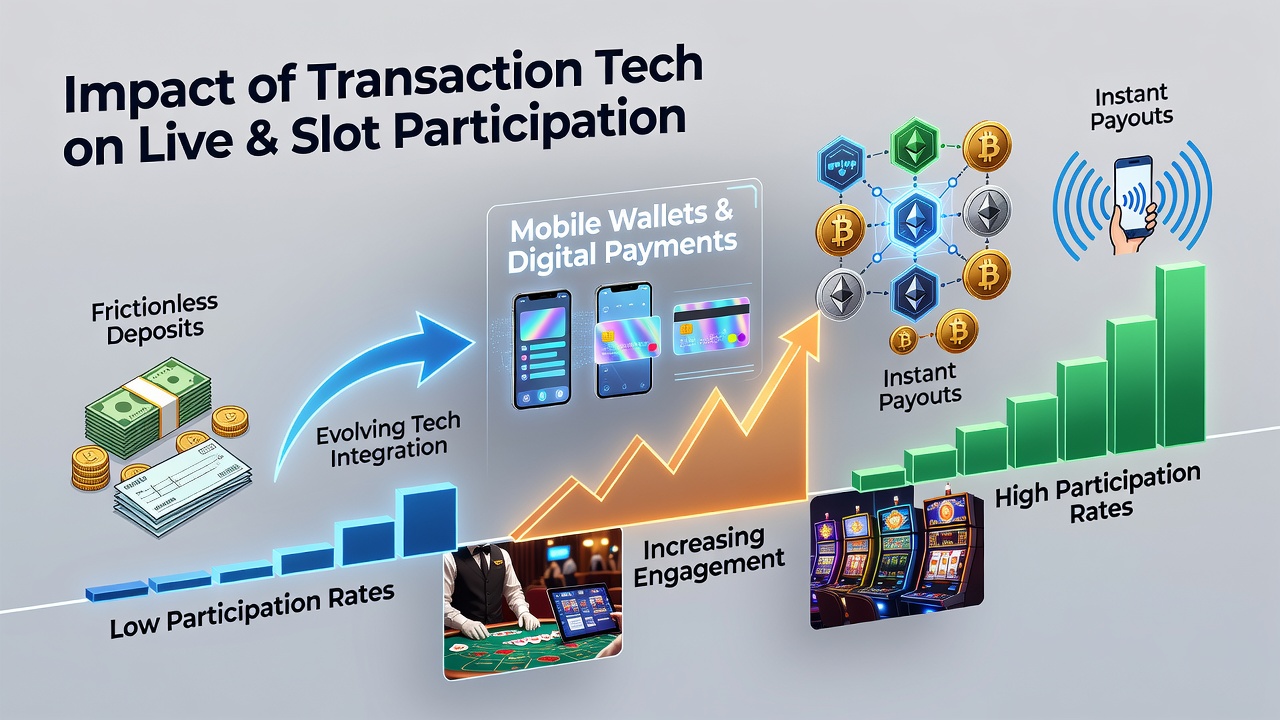
These infrastructure upgrades matter because live dealer environments require continuous balance updates while automated reel games reward quick top-ups between spins. When transaction latency falls below fifteen seconds, session continuity improves and users remain active for longer stretches, according to aggregated telemetry shared by several platform operators.
Effects on Live Dealer Participation Rates
Live dealer offerings on mobile devices depend on uninterrupted cash flow because each hand or round carries immediate financial consequences. Research conducted by a Singapore-based analytics firm tracking Southeast Asian markets found that platforms supporting one-click wallet top-ups recorded a 34 percent higher average session duration for blackjack and roulette tables during the second quarter of 2026. The same dataset showed that players using older bank-transfer methods exited live tables at nearly twice the rate once their initial balance reached zero.
Observers tracking user behavior in the Klang Valley and Penang note that push notifications prompting instant reloads appear more frequently when the underlying payment rail supports near-instant confirmation. This notification pattern correlates with measurable upticks in table occupancy during evening hours, particularly between 8 p.m. and midnight local time.
Slot Engagement Patterns Under Faster Settlement Systems
Slot participation follows a different rhythm yet still responds to transaction speed. Automated reel games encourage repeated small wagers, and any friction in reloading credits interrupts that loop. Figures released by the Malaysian Communications and Multimedia Commission in July 2026 indicate that daily active users on slot-focused mobile titles increased 19 percent year-over-year, coinciding with wider rollout of QR-code instant transfers.
One study examining transaction logs across multiple operators revealed that users completing deposits via integrated e-wallets placed an average of 47 additional spins per session compared with those relying on manual bank transfers. The difference appeared most pronounced on progressive jackpot titles where balance visibility updates in real time.
Regional and Demographic Variations Observed in 2026
Participation gains have not distributed evenly across states. Urban centers with higher smartphone penetration and stronger 5G coverage show sharper increases in both live dealer and slot activity, while rural districts register more modest shifts despite identical payment options. A joint report issued by several university research centers in Malaysia and Australia highlights that age cohorts between 25 and 34 account for the largest share of new mobile deposit activity, whereas users over 45 continue to favor slower but familiar methods at higher rates.
Security features embedded in newer payment protocols also play a role. Multi-factor authentication layered into wallet applications has reduced reported fraud incidents by 41 percent since January 2026, according to data compiled by a regional cybersecurity consortium. Lower fraud exposure encourages operators to maintain higher deposit limits, which in turn supports extended play sessions for both dealer-hosted and automated formats.
Conclusion
Transaction technology upgrades continue to intersect with mobile gaming participation across Malaysia in measurable ways. Faster settlement rails, widespread e-wallet integration, and improved security layers each contribute to shorter deposit times and longer active sessions. Data gathered through July 2026 demonstrates consistent correlations between these infrastructure changes and increased engagement metrics for live dealer tables as well as slot offerings. Future monitoring of payment adoption rates will likely reveal whether these patterns persist or evolve further as additional technologies reach commercial scale.